
ANNUNCIO PUBBLICITARIO
FINE ANNUNCIO PUBBLICITARIO
|
© I contenuti di questa pagina (escluse le immagini di pubblico dominio) sono di proprietà esclusiva dell'autore Alberto Tucci. Ne è vietata la copia, la riproduzione e l'utilizzo anche parziale in ogni forma. |
| QUESTA SCHEDA È UNICA E ORIGINALE IN INTERNET - aggiornamento del 13-05-2026 |
ORTHOSIPHON |

LEGGERE LA SCHEDA IN TUTTE LE SUE SEZIONI PER UNA CORRETTA INFORMAZIONE SULLE PRECAUZIONI D'USO
CLASSIFICAZIONE BOTANICA...
| Dominio Eukaryota Regno Plantae Clade Tracheophyta Clade Angiospermae Clade Eudicotyledones Clade Asteridae Ordine Lamiales Famiglia Lamiaceae Sottofamiglia Nepetoideae Tribù Ocimeae Genere Orthosiphon Specie Orthosiphon stamineus |
Famiglia: Lamiaceae |
SINONIMI DEL NOME VOLGARE...
| Tè di Giava, Baffo di gatto, Java tea, Cat's Whiskers, Koemis Koettjing |
SINONIMI DEL NOME BOTANICO...
| Ocimum Grandiflorum Blume, Clerodendranthus Stamineus (Benth.) Kud., Clerodendranthus Spicatus (Thunb.) C.Y.Wu Ex H.W.Li, Orthosiphon Aristatus (Blume) Miq., Orthosiphon Spicatus (Thunb.) Bakh.f., Orthosiphon Stamineus Var. Grandiflorus (Bold.) Backer & Bakh.f., Salvia Spicata Thunb. |
DESCRIZIONE BOTANICA...
| PIANTA ERBACEA PERENNE O SUFFRUTICOSA CON FUSTI ERETTI O ASCENDENTI, QUADRANGOLARI E SPESSO RAMIFICATI. FOGLIE OPPOSTE, SEMPLICI, OVATE O ROMBOIDALI, CON MARGINE SEGHETTATO E PICCIOLO CORTO. FIORI ERMAFRODITI, BIANCHI O LILLA PALLIDO, CON LUNGHI STAMI SPORGENTI, RIUNITI IN VERTICILLASTRI CHE FORMANO LUNGHE SPIGHE TERMINALI. CALICE CAMPANULATO CON CINQUE DENTI. COROLLA TUBOLARE CON LABBRO SUPERIORE FORMATO DA QUATTRO LOBI E LABBRO INFERIORE INTERO. ANDROCEO CON QUATTRO STAMI MOLTO LUNGHI E FILIFORMI CHE SPORGONO DALLA COROLLA. GINECEO CON OVARIO SUPERO TETRALOCULARE. FRUTTO È UN TETRACHENIO FORMATO DA QUATTRO PICCOLI ACHENI OVOIDALI. |
FIORITURA O ANTESI...
| QUASI TUTTO L'ANNO NELLE ZONE TROPICALI DI ORIGINE; NEI CLIMI TEMPERATI, PRINCIPALMENTE ESTATE |
| COLORI OSSERVATI |
| ________ BIANCO |
| ________ LILLÀ CHIARO |
HABITAT...
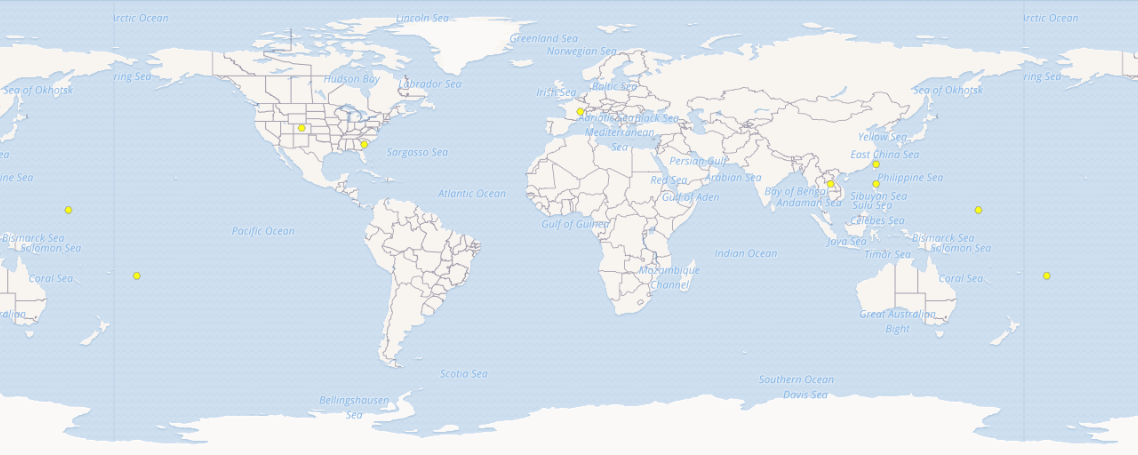
| Originaria del Sud-est asiatico, in particolare Indonesia, Malesia e Thailandia. Il suo habitat tipico comprende foreste umide tropicali e subtropicali, boschi aperti, margini forestali, praterie umide, paludi e aree ripariali, spesso in prossimità di corsi d'acqua o in zone con elevata umidità. Predilige suoli umidi, ben drenati e ricchi di materia organica, con un pH da leggermente acido a neutro. Cresce meglio in climi caldi e umidi con abbondanti precipitazioni e temperature elevate durante tutto l'anno. Si adatta a diverse altitudini, dalle pianure fino alle zone collinari. La sua distribuzione è favorita da ambienti con elevata umidità atmosferica e del suolo, e spesso si trova in zone ombreggiate o parzialmente ombreggiate. È una specie che può anche essere coltivata in giardini e come coltura commerciale nelle regioni tropicali con condizioni ambientali adatte. |
| DISTRIBUZIONE IN BASE ALLE OSSERVAZIONI UMANE |
 |
ANNUNCIO PUBBLICITARIO
FINE ANNUNCIO
PERIODO BALSAMICO...
| DURANTE LA PIENA FIORITURA, PREFERIBILMENTE AL MATTINO IN ESTATE |
DROGA UTILIZZATA...
| (Parti ricche in principi attivi) |
| FOGLIE E SOMMITÀ FIORITE |
AROMI DELLA DROGA...
| DEBOLE, LEGGERMENTE AROMATICO |
SAPORI DELLA DROGA...
| LEGGERMENTE AMARO, DEBOLMENTE ASTRINGENTE, LEGGERMENTE SALATO |
TOSSICITÀ:  BASSISSIMA BASSISSIMA |
| Motivazione: Gli studi tossicologici disponibili, inclusi studi subcronici e osservazioni cliniche su estratti standardizzati e preparazioni tradizionali, mostrano una buona tollerabilità alle dosi fitoterapiche comunemente utilizzate. Gli effetti indesiderati documentati risultano generalmente lievi e poco frequenti, prevalentemente gastrointestinali o correlati all’effetto diuretico. Non sono documentati effetti tossici rilevanti nell’uso corretto a breve termine. |
| EFFICACIA: ook CONFERMATA DA EVIDENZE SCIENTIFICHE |
| Motivazione: Sono disponibili studi clinici controllati, revisioni farmacologiche e dati sperimentali coerenti riguardanti soprattutto attività diuretica, supporto nelle affezioni urinarie lievi e modulazione metabolica. Le evidenze cliniche risultano più solide per l’uso urologico e drenante rispetto ad altre indicazioni tradizionali. Esistono inoltre dati in vivo e in vitro su attività antinfiammatoria, antiossidante, ipoglicemizzante e nefroprotettiva. |
PRINCÍPI ATTIVI...
| Polifenoli: acido rosmarinico, acido caffeico, acido clorogenico, acido ferulico, acido p-idrossibenzoico, acido vanillico, acido sinapico Flavonoidi: sinensetina, eupatorina, tetrametilscutellareina, salvigenina, ladaneina, quercetina, rutina, luteolina, apigenina, diosmetina, cirsimaritina Terpeni Triterpenici: acido ursolico, acido oleanolico, betulina, acido betulinico Diterpeni: ortosifoli A, ortosifoli B, ortosifoli C, ortosifoli D, neoortosifoli Oli Essenziali E Composti Volatili: beta-cariofillene, alfa-umulene, eugenolo, limonene, borneolo, canfene, beta-pinene, alfa-pinene, mircene Saponine: saponine triterpeniche derivate dell’acido oleanolico Fitosteroli: beta-sitosterolo, stigmasterolo, campesterolo Tannini: tannini condensati, tannini fenolici Glicosidi Fenolici: derivati glicosilati della sinensetina e della eupatorina Composti Minerali: potassio, calcio, magnesio, silicio Mucillagini E Polisaccaridi: polisaccaridi acidi, mucillagini idrofile Alcaloidi: tracce di alcaloidi non predominanti Proteine E Amminoacidi: arginina, acido glutammico, alanina Vitamine: acido ascorbico, tocoferoli |
PROPRIETÀ E INDICAZIONI (Dettagli di Fitoterapia)
Confermate da studi scientifici e clinici Per Orthosiphon stamineus Benth. sono disponibili evidenze cliniche limitate ma relativamente coerenti sull’attività diuretica e sul supporto funzionale delle vie urinarie inferiori. Studi clinici controllati e osservazionali, prevalentemente asiatici e con numerosità ridotta, hanno documentato aumento della diuresi e della clearance urinaria in soggetti con disturbi urinari funzionali o lieve ritenzione idrica. Le evidenze cliniche restano tuttavia eterogenee per standardizzazione degli estratti e qualità metodologica. Sono presenti dati clinici preliminari relativi all’impiego coadiuvante nella calcolosi urinaria e nell’iperuricemia lieve, con osservazione di incremento dell’escrezione urinaria e riduzione di alcuni parametri litogenici urinari. Le evidenze non sono sufficienti per confermare efficacia terapeutica definitiva. Per le attività antidiabetiche, epatoprotettive, antipertensive, antinfiammatorie e ipolipidemizzanti non sono disponibili evidenze cliniche robuste o revisioni sistematiche con conclusioni definitive specifiche sulla specie. Con riscontro positivo in vitro o in modelli animali o nella fitoterapia documentata L’attività diuretica è supportata da numerosi studi in vivo su roditori e da dati farmacologici coerenti con l’elevato contenuto in acidi fenolici, flavonoidi metossilati e derivati dell’acido rosmarinico. Gli studi mostrano incremento del volume urinario e dell’eliminazione di sodio e cloruri. L’attività nefroprotettiva e antiurolitiasica è supportata da modelli animali di nefrotossicità e litiasi urinaria, nei quali gli estratti hanno mostrato riduzione della cristallizzazione urinaria, modulazione dello stress ossidativo renale e protezione tubulare. L’attività ipoglicemizzante e modulante glicemica è documentata in modelli animali diabetici e in studi in vitro. Sono stati osservati miglioramenti della glicemia, della sensibilità insulinica e di alcuni marker ossidativi, ma mancano conferme cliniche solide. L’attività antinfiammatoria è supportata da studi in vitro e in vivo con riduzione di mediatori proinfiammatori, edema sperimentale e stress ossidativo. I dati risultano coerenti ma prevalentemente preclinici. L’attività antiossidante è ampiamente documentata in vitro mediante saggi radical scavenging e in vivo tramite modulazione di biomarcatori ossidativi. Tale attività è attribuita principalmente ai polifenoli e ai flavonoidi lipofili. L’attività epatoprotettiva è stata osservata in modelli animali di epatotossicità chimica con riduzione degli enzimi epatici e miglioramento istopatologico. Mancano tuttavia conferme cliniche adeguate. L’attività antimicrobica presenta riscontri in vitro contro alcuni batteri e miceti, ma le concentrazioni efficaci spesso risultano elevate e clinicamente non trasferibili. L’attività antipertensiva e vasomodulante è stata descritta in modelli animali e studi farmacologici sperimentali, con possibile correlazione all’effetto diuretico e vasorilassante. Le evidenze cliniche sono insufficienti. L’attività immunomodulante e antiproliferativa è limitata a studi cellulari e modelli sperimentali preliminari; non esistono evidenze cliniche sufficienti per attribuire un uso oncologico o immunoterapeutico validato. Uso storico e nella tradizione Nella medicina tradizionale malese e indonesiana Orthosiphon stamineus è stato impiegato come rimedio urinario per oliguria, disuria, renella e disturbi della minzione. Nella tradizione fitoterapica del Sud-Est asiatico la specie è stata utilizzata per gotta, dolori reumatici, edema e ritenzione idrica. Sono documentati usi tradizionali per ipertensione, diabete, febbre, disturbi epatici e infiammazioni generiche, senza tuttavia adeguata validazione clinica specifica. In alcune pratiche etnomediche la pianta è stata utilizzata come depurativo, drenante e supporto metabolico generale.
Bibliografia (proprietà e indicazioni)
| AVVERTENZE
(Le avvertenze includono segnali di rischio basati su evidenze precliniche, plausibilità farmacologica o casi isolati) L’ATTIVITÀ DIURETICA DOCUMENTATA IN STUDI CLINICI E IN VIVO PUÒ AUMENTARE L’ELIMINAZIONE URINARIA DI ACQUA ED ELETTROLITI; È PERTANTO RACCOMANDATO MONITORARE L’IDRATAZIONE E L’EQUILIBRIO ELETTROLITICO IN SOGGETTI PREDISPOSTI O IN USO CONCOMITANTE DI DIURETICI. EVIDENZA: STUDI CLINICI E FARMACOLOGICI. L’AZIONE IPOGLICEMIZZANTE OSSERVATA IN MODELLI ANIMALI E IN ALCUNI STUDI CLINICI PRELIMINARI SUGGERISCE CAUTELA NEI SOGGETTI TRATTATI CON FARMACI ANTIDIABETICI O INSULINA PER POSSIBILE POTENZIAMENTO DELL’EFFETTO GLICEMICO. EVIDENZA: STUDI IN VIVO, DATI SPERIMENTALI E OSSERVAZIONI CLINICHE PRELIMINARI. ALCUNI ESTRATTI STANDARDIZZATI HANNO MOSTRATO ATTIVITÀ ANTIPERTENSIVA MODERATA E VASOMODULANTE; È CONSIGLIABILE PRUDENZA IN SOGGETTI IN TERAPIA ANTIPERTENSIVA O CON IPOTENSIONE. EVIDENZA: STUDI SPERIMENTALI E FARMACOLOGICI. L’USO IN GRAVIDANZA E ALLATTAMENTO NON DISPONE DI DATI CLINICI ADEGUATI SPECIFICI SULLA SPECIE; L’IMPIEGO FITOTERAPICO NON È SUFFICIENTEMENTE DOCUMENTATO IN TALI CONDIZIONI. EVIDENZA: ASSENZA DI DATI CLINICI DIRETTI. L’ASSUNZIONE PROLUNGATA AD ALTE DOSI NON È STATA SUFFICIENTEMENTE VALUTATA MEDIANTE STUDI CLINICI DI LUNGA DURATA, SEBBENE GLI STUDI TOSSICOLOGICI DISPONIBILI MOSTRINO BASSA TOSSICITÀ ACUTA E SUBCRONICA. EVIDENZA: STUDI TOSSICOLOGICI ANIMALI E LIMITATA DOCUMENTAZIONE CLINICA. |
| CONTROINDICAZIONI
(Le controindicazioni si basano su evidenze cliniche dirette, cioè dati da studi clinici, osservazionali o casistiche solide che dimostrino che l’uso della pianta è da evitare in specifiche condizioni o popolazioni) NON SONO DISPONIBILI CONTROINDICAZIONI ASSOLUTE UNIVERSALMENTE VALIDATE DA STUDI CLINICI CONTROLLATI SPECIFICI SULLA SPECIE. NELLA PRATICA FITOTERAPICA E NELLE MONOGRAFIE ASIATICHE L’USO È GENERALMENTE EVITATO IN PRESENZA DI INSUFFICIENZA CARDIACA O RENALE SEVERA CON EDEMA, IN ANALOGIA ALLA GESTIONE CLINICA DELLE DROGHE DIURETICHE, MA LE EVIDENZE DIRETTE SPECIFICHE RISULTANO LIMITATE. IPERSENSIBILITÀ DOCUMENTATA VERSO ORTHOSIPHON STAMINEUS O VERSO COMPONENTI DELLA FAMIGLIA LAMIACEAE RAPPRESENTA UNA CONTROINDICAZIONE FARMACOLOGICA PLAUSIBILE BASATA SU OSSERVAZIONI FITOTERAPICHE GENERALI E CASI SPORADICI DI REATTIVITÀ INDIVIDUALE. |
INCOMPATIBILITÀ...
(Farmaci o sostanze da evitare per interazioni avverse o incompatibilità farmacologiche)
| ANTIDIABETICI ORALI (POTENZIAMENTO) |
| ANTIPERTENSIVI |
| CALCIO ANTAGONISTI |
| DIGITALICI |
| DIURETICI |
| DIURETICI FORTI E DI SINTESI |
| INSULINA |
| INSULINA (POTENZIAMENTO) |
| IPOGLICEMIZZANTI E ANTIDIABETICI |
| IPOKALIEMIZZANTI |
ERBE SINERGICHE *...
(Erbe che possono aumentare l'efficacia fitoterapica)
| * Si tenga presente che talvolta la stessa erba indicata come sinergica o antagonista, potrebbe assumere entrambi i ruoli in funzione della dose utilizzata e/o della forma estrattiva o di trattamento come per es. nel Tè (verde o nero). Consultare sempre un fitoterapeuta per personalizzare le combinazioni in base al quadro clinico individuale. |
ERBE ANTAGONISTE *...
(Erbe che possono diminuire l'effetto fitoterapico o causare interazioni avverse)
ORGANI UMANI...
(Organi coinvolti nell'azione fitoterapica)
ESTRATTI...
Estratti standardizzati, integratori e omeopatici basati su evidenze scientifiche e sicurezza d'uso
| Estratti di Orthosiphon stamineus Benth. (ORTHOSIPHON) Estratto secco nebulizzato e titolato delle foglie di Orthosiphon stamineus Benth. standardizzato in sinensetina o flavoni polimetossilati. I titoli maggiormente utilizzati in ambito fitoterapico sono compresi tra 0,1% e 0,3% di sinensetina oppure 5% di flavonoidi totali. Le posologie comunemente impiegate negli studi e nella pratica fitoterapica variano da 300 mg a 1200 mg al giorno suddivisi in una o due somministrazioni. Gli effetti documentati riguardano soprattutto drenaggio urinario, supporto metabolico e funzionalità delle vie urinarie. Estratti con tenore insufficiente di sinensetina mostrano attività meno riproducibile. Estratto idroalcolico fluido rapporto droga/estratto 1:1 ottenuto prevalentemente dalle foglie. Utilizzato tradizionalmente per favorire diuresi, eliminazione di acido urico e drenaggio dei liquidi corporei. Le dosi usuali corrispondono a 2-4 ml una o due volte al giorno diluiti in acqua. Nelle preparazioni fitoterapiche europee viene spesso associato a pilosella, betulla o gramigna. Estratto secco acquoso standardizzato in polifenoli e acido rosmarinico. Le formulazioni moderne impiegano generalmente estratti concentrati con rapporto droga/estratto tra 4:1 e 10:1. I dosaggi medi sono compresi tra 250 mg e 800 mg al giorno. L’acido rosmarinico e i flavonoidi metossilati vengono considerati i principali marcatori fitochimici per l’attività antiossidante e antinfiammatoria sperimentale. Capsule o compresse fitoterapiche standardizzate contenenti estratto secco di foglie titolato allo 0,2% in sinensetina. I prodotti commerciali più diffusi apportano circa 500-1000 mg di estratto secco al giorno con apporto medio di 1-2 mg di sinensetina. Le formulazioni sono indirizzate soprattutto al drenaggio dei liquidi corporei e al supporto urinario. Tintura madre fitoterapica preparata da parti aeree fresche o essiccate con titolo alcolico variabile tra 45° e 65°. Le dosi tradizionali impiegate sono generalmente comprese tra 20 e 50 gocce due o tre volte al giorno. L’uso è prevalentemente orientato a ritenzione idrica funzionale e drenaggio urinario. Le evidenze cliniche rimangono limitate rispetto agli estratti standardizzati. Preparazioni fitoterapiche combinate con Orthosiphon stamineus Benth. in associazione a Betula pendula Roth, Solidago virgaurea L., Equisetum arvense L., Taraxacum officinale F.H.Wigg. o Cynodon dactylon (L.) Pers. Le formulazioni vengono impiegate come supporto drenante e urinario. I dosaggi di Orthosiphon nelle associazioni risultano generalmente compresi tra 200 mg e 600 mg di estratto secco standardizzato per dose giornaliera. Preparazioni omeopatiche denominate Orthosiphon stamineus o Orthosiphon aristatus in diluizioni generalmente comprese tra D3 e D30 oppure CH5-CH30. L’impiego omeopatico tradizionale riguarda drenaggio renale e disturbi urinari funzionali. Non esistono evidenze cliniche robuste che ne confermino l’efficacia terapeutica secondo criteri evidence based. |
TISANE...
Tisane, composizioni e preparazioni basate su evidenze scientifiche e sicurezza d'uso
| Infuso drenante e urinario con Orthosiphon stamineus Benth., Betula pendula Roth ed Equisetum arvense L. Preparare con 2 g di foglie di orthosiphon, 2 g di foglie di betulla e 1 g di equiseto in 250 ml di acqua quasi bollente. Lasciare in infusione per 10-15 minuti e filtrare. Assumere una o due volte al giorno lontano dai pasti. La formulazione è utilizzata come supporto al drenaggio dei liquidi corporei e alla funzionalità urinaria. Tisana metabolica con Orthosiphon stamineus Benth., Camellia sinensis (L.) Kuntze e Taraxacum officinale F.H.Wigg. Preparare con 1,5 g di orthosiphon, 1 g di tè verde e 1,5 g di tarassaco in 200-250 ml di acqua a 85-90 °C. Infondere per circa 10 minuti. Utilizzare una o due volte al giorno preferibilmente nelle ore mattutine. La combinazione è tradizionalmente impiegata per supporto metabolico, controllo del peso e drenaggio. Decotto leggero con Orthosiphon stamineus Benth. e Cynodon dactylon (L.) Pers. Utilizzare 2 g di orthosiphon e 2 g di gramigna in 300 ml di acqua. Portare a lieve ebollizione per 5 minuti e lasciare riposare altri 10 minuti prima di filtrare. Assunzione consigliata una o due volte al giorno come supporto urinario e per aumentare la diuresi fisiologica. Formulazione erboristica per supporto urinario con Orthosiphon stamineus Benth., Solidago virgaurea L. e Arctostaphylos uva-ursi (L.) Spreng. Impiegare 1,5 g di orthosiphon, 1 g di solidago e 1 g di uva ursina in infuso su 250 ml di acqua. Lasciare in infusione per 10 minuti. Utilizzo limitato a brevi periodi, generalmente non oltre 7-10 giorni consecutivi, per supporto delle basse vie urinarie. Infuso epatobiliare con Orthosiphon stamineus Benth., Cynara scolymus L. e Curcuma longa L. Preparare con 2 g di orthosiphon, 1,5 g di carciofo e 0,5-1 g di curcuma in 250 ml di acqua calda. Lasciare in infusione per 10 minuti. La formulazione viene tradizionalmente impiegata per il supporto epatobiliare e digestivo. Tisana per iperuricemia e metabolismo purinico con Orthosiphon stamineus Benth., Filipendula ulmaria (L.) Maxim. e Urtica dioica L. Utilizzare 2 g di orthosiphon, 1 g di olmaria e 1 g di ortica in 250 ml di acqua. Infondere 10-12 minuti e assumere una o due volte al giorno. L’associazione è utilizzata tradizionalmente per favorire eliminazione urinaria di urati e drenaggio metabolico. Preparazione tradizionale sud-est asiatica con Orthosiphon stamineus Benth. e Zingiber officinale Roscoe. Impiegare 2 g di orthosiphon e 0,5-1 g di rizoma di zenzero fresco in 250 ml di acqua calda. Lasciare in infusione per 8-10 minuti. La formulazione è utilizzata come bevanda digestiva e drenante. Miscela fitoterapica con Orthosiphon stamineus Benth., Phyllanthus niruri L. e Zea mays L. stigma. Preparare con 1,5 g di orthosiphon, 1,5 g di phyllanthus e 1 g di stimmi di mais in 300 ml di acqua. Infusione di circa 15 minuti. Tradizionalmente utilizzata come supporto funzionale urinario e renale. |
PREPARATI ALCOLICI...
| Vini, elisir, amari, tinture di ORTHOSIPHON
Liquore erboristico funzionale (uso moderno) Questa preparazione non appartiene alla tradizione storica ma rappresenta un adattamento erboristico moderno. Preparazione: 20 g di foglie essiccate di Orthosiphon stamineus 500 ml di alcool alimentare a 40% vol. macerazione per 15–20 giorni filtrazione eventuale aggiunta di una minima quantità di miele Uso: digestivo leggero supporto drenante post-prandiale Posologia: 10–20 ml dopo i pasti principali uso occasionale Avvertenze d’uso Le preparazioni alcoliche di Orthosiphon stamineus non sono consigliate in gravidanza, allattamento o in soggetti con insufficienza renale severa. L’uso prolungato deve essere ciclico. Evitare l’associazione con farmaci diuretici senza supervisione medica. Bibliografia |
| Consultare il proprio medico prima di assumere queste bevande ed evitarne l'uso in caso di divieto di assunzione di alcol |
ANNUNCIO PUBBLICITARIO
FINE ANNUNCIO
APPROFONDIMENTO SU PIANTE DEPURATIVE E DRENANTI...
NOTE VARIE E STORICHE...
Ricerche di articoli scientifici su Orthosiphon stamineus Benth. 👉

👉

👉

|

Autore: erbeofficinali.org
.png?r=1792584584)
Autore: erbeofficinali.org

Autore: erbeofficinali.org
 Altre Foto e Immagini di ORTHOSIPHON
