
ANNUNCIO PUBBLICITARIO
FINE ANNUNCIO PUBBLICITARIO

|
© I contenuti di questa pagina (escluse le immagini di pubblico dominio) sono di proprietà esclusiva dell'autore Alberto Tucci. Ne è vietata la copia, la riproduzione e l'utilizzo anche parziale in ogni forma. |
| QUESTA SCHEDA È UNICA E ORIGINALE IN INTERNET - aggiornamento del 02-07-2026 |
CATAPUZIA |
LEGGERE LA SCHEDA IN TUTTE LE SUE SEZIONI PER UNA CORRETTA INFORMAZIONE SULLE PRECAUZIONI D'USO
CLASSIFICAZIONE BOTANICA...
| Dominio Eukaryota Regno Plantae Clade Viridiplantae Clade Streptophyta Clade Embryophyta Clade Tracheophyta Clade Spermatophyta Clade Angiospermae Clade Mesangiospermae Clade Eudicotyledoneae Clade Superrosidae Clade Rosidae Ordine Malpighiales Famiglia Euphorbiaceae Sottofamiglia Euphorbioideae Tribù Euphorbieae Sottotribù Euphorbiinae Genere Euphorbia Specie Euphorbia lathyris |
Famiglia: Euphorbiaceae |
SINONIMI DEL NOME VOLGARE...
| Euforbia Catapuzia, Latte Del Diavolo, Latte Delle Streghe, Euphorbe épurge, Tártago, Catapúcia-menor, Moleplant, Kreuzblättrige Wolfsmilch |
SINONIMI DEL NOME BOTANICO...
| Euphorbia Lathyrus L., Galarhoeus Lathyris (L.) Haw., Tithymalus Lathyris (L.) Hill, Tithymalus Lathyris (L.) Hill, Euphorbia Lathyris Var. Minor Boiss., Euphorbia Lathyris Var. Major Boiss. |
DESCRIZIONE BOTANICA...
| PIANTA ERBACEA BIENNALE CHE RAGGIUNGE UN'ALTEZZA DI 0.5-1.5 METRI, CON FUSTI ERETTI, ROBUSTI E RAMIFICATI. LE FOGLIE SONO OPPOSTE, SESSILI, LINEARI-LANCEOLATE, DI COLORE VERDE-BLUASTRO E DISPOSTE IN MODO DECUSSATO LUNGO IL FUSTO. L'INFIORESCENZA È UN CIAZIO, TIPICO DEL GENERE EUPHORBIA, COMPOSTO DA PICCOLE STRUTTURE A COPPA CONTENENTI FIORI UNISESSUALI RIDOTTI E GHIANDOLE NETTARIFERE A FORMA DI MEZZALUNA. IL FRUTTO È UNA CAPSULA TRICOCCA LISCIA CHE CONTIENE TRE SEMI OVOIDALI DI COLORE GRIGIO-BRUNASTRO. LA PIANTA CONTIENE LATTICE BIANCO IRRITANTE. |
FIORITURA O ANTESI...
| APRILE, MAGGIO, PRIMAVERA |
| COLORI OSSERVATI |
| ________ GIALLOGNOLO |
| ________ VERDE CHIARO |
HABITAT...
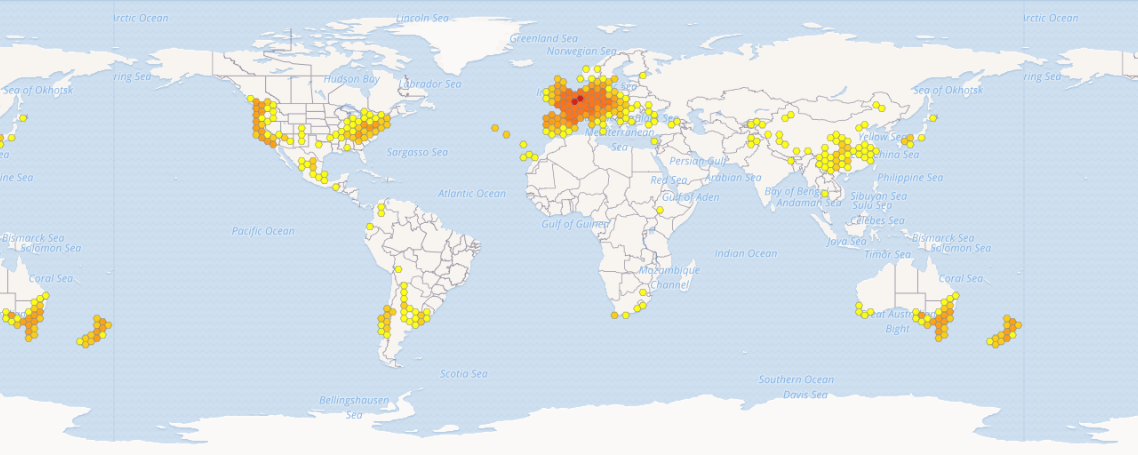
| Predilige ambienti disturbati e soleggiati o parzialmente ombreggiati. Si trova comunemente lungo i bordi delle strade, in campi incolti, discariche, giardini abbandonati e in generale in terreni smossi e ricchi di nutrienti. È adattabile a diversi tipi di suolo, ma preferisce quelli ben drenati. Originaria dell'Europa meridionale e dell'Asia occidentale, si è naturalizzata in molte altre parti del mondo, inclusi Nord America, Australia e Nuova Zelanda, spesso in regioni con climi temperati. |
| DISTRIBUZIONE IN BASE ALLE OSSERVAZIONI UMANE |
 |
ANNUNCIO PUBBLICITARIO
FINE ANNUNCIO
PERIODO BALSAMICO...
| TARDA PRIMAVERA-ESTATE, MAGGIO-AGOSTO, OTTIMALE GIUGNO E LUGLIO |
DROGA UTILIZZATA...
| (Parti ricche in principi attivi) |
| SEMI ESSICCATI |
AROMI DELLA DROGA...
| SEMI SCHIACCIATI: OLEOSO-RANCIDO CON NOTE AMARE (SIMILE A OLIO DI RICINO AVARIATO) LATTICE FRESCO: ACRE-RESINOSO, PUNGENTE (IRRITA LE VIE RESPIRATORIE) |
SAPORI DELLA DROGA...
| SEMI: AMARISSIMO-CAUSTICO, CON RETROGUSTO METALLICO E IRRITANTE (DITERPENI) LATTICE FRESCO: BRUCIANTE-PEPATO (PROVOCA IMMEDIATO DOLORE ORALE) OLIO: RANCIO-URENTE, PERSISTENTE GRADO TOSSICO ELEVATO - ANCHE MINIME TRACCE CAUSANO USTIONI CHIMICHE. NON ASSAGGIARE |
TOSSICITÀ:  ALTA ALTA |
| Motivazione: Esistono dati tossicologici diretti sulla specie che documentano effetti irritanti e tossici del latice e dei semi. L'ingestione può causare gastroenterite severa con nausea, vomito, diarrea profusa, dolori addominali e disidratazione. Il contatto con il latice può provocare dermatiti irritative e lesioni oculari anche importanti. Sono documentati numerosi casi di intossicazione umana e veterinaria. Pur essendo rare le morti documentate nell'uomo, la tossicità sistemica è ben definita e clinicamente rilevante. |
| EFFICACIA: Noo NON UTILIZZABILE |
| Motivazione: Euphorbia lathyris L. presenta attività farmacologiche documentate in studi in vitro e in modelli animali, attribuite principalmente a diterpeni e altri metaboliti presenti nei semi e nel latice. Tuttavia non sono disponibili studi clinici controllati che ne supportino un impiego terapeutico moderno. La specie è stata storicamente utilizzata come purgante drastico, ma tale uso è stato abbandonato a causa del profilo tossicologico sfavorevole. Non esistono preparazioni fitoterapiche moderne riconosciute con un rapporto beneficio/rischio favorevole. |
PRINCÍPI ATTIVI...
| Oli Fissi: Acido Oleico, Acido Linoleico, Acido Linolenico, Acido Palmitico, Acido Stearico Diterpeni: Lathyrano, Euphorbia Fattore L1, Euphorbia Fattore L2, Euphorbia Fattore L3, Euphorbia Fattore L8, Esteri Diterpenici Del Lathyrano, Esteri Del Jatrofano Triterpeni: Eupolo, Cicloartenolo, 24-Metilenecicloartenolo, Lanosterolo Fitosteroli: Beta-Sitosterolo, Campesterolo, Stigmasterolo Latice E Resine: Resine Diterpeniche Irritanti, Principi Resiniferi Del Latice Flavonoidi: Quercetina, Kaempferolo, Rutina, Derivati Flavonoidici Composti Fenolici: Acido Gallico, Acido Caffeico, Acido Ferulico, Acido p-Cumarico Tannini: Tannini Condensati, Tannini Idrolizzabili Proteine E Lectine: Lectine Dei Semi, Proteine Di Riserva Tocoferoli: Alfa-Tocoferolo, Gamma-Tocoferolo, Delta-Tocoferolo Carboidrati: Polisaccaridi, Cellulosa, Emicellulose |
PROPRIETÀ E INDICAZIONI (Dettagli di Fitoterapia)
PROTOCOLLO URGENTE per SOSPETTO AVVELENAMENTO da Euphorbia lathyris L. PRIMI SOCCORSI IMMEDIATI 1. Contatto cutaneo/mucose Lavare IMMEDIATAMENTE con acqua corrente (15+ minuti) e sapone neutro Rimuovere indumenti contaminati NON usare solventi/alcol (aumentano l’assorbimento delle tossine) 2. Ingestione Sciacquare la bocca con acqua fredda (NON ingoiare) Bere acqua a piccoli sorsi (solo se coscienti) NON provocare il vomito (rischio di ulteriori lesioni) 3. Contatto oculare Risciacquo oculare immediato (soluzione fisiologica o acqua) Tenere palpebra aperta durante il lavaggio NON strofinare EMERGENZA MEDICA Chiamare IMMEDIATAMENTE: Centro Antiveleni (CAV): 02-66101029 (Milano) Emergenza: 112/118 Informare: Nome pianta (Euphorbia lathyris) Parte coinvolta (semi/lattice più pericolosi) Quantità e ora esposizione SINTOMI GRAVI Cutanei: Vesciche, necrosi Oculari: Cecità temporanea, ulcera corneale Ingestione: Vomito emorragico Diarrea violenta Collasso cardiocircolatorio TRATTAMENTO OSPEDALIERO Terapia sintomatica (antiemetici, antidolorifici) Monitoraggio epatico/renale (rischio danno d’organo) Lavaggio gastrico (solo se entro 30 minuti dall’ingestione) CAMPIONI DA PORTARE Fotografie della pianta Residui vegetali Materiale vomitato (in contenitore sterile) AVVERTENZE CRITICHE Dose pericolosa: 1-2 semi (bambini), 3-5 semi (adulti) Tossicità ritardata: Danno epatico può manifestarsi a 24-48 ore Fonti: EMA Toxic Plant Guidelines Clinical Toxicology, 2021
EVENTUALI FUNZIONI TERAPEUTICHE SONO INDICATE SOLO PER INFORMAZIONE STORICO-CULTURALE MA NON APPLICABILI NELLA PRATICA FITOTERAPICA.
Bibliografia (proprietà e indicazioni)
| SORVEGLIANZA ALLE REAZIONI AVVERSE QUESTA PIANTA RIENTRA NELLA LISTA DEL MINISTERO DELLA SALUTE PER L'IMPIEGO NON AMMESSO NEL SETTORE DEGLI INTEGRATORI ALIMENTARI. |
| AVVERTENZE
(Le avvertenze includono segnali di rischio basati su evidenze precliniche, plausibilità farmacologica o casi isolati) EVITARE QUALSIASI CONTATTO CON LA PIANTA FRESCA, USARE GUANTI PROTETTIVI PER EVENTUALE MANIPOLAZIONE, NON BRUCIARE (FUMI TOSSICI), TENERE LONTANO DA ANIMALI DOMESTICI, IN CASO DI CONTATTO ACCIDENTALE LAVARE IMMEDIATAMENTE CON ACQUA ABBONDANTE, CONSULTARE IMMEDIATAMENTE UN CENTRO ANTIVELENI IN CASO DI INGESTIONE ANCHE MINIMA. IL LATTICE CONTIENE ESTERI DITERPENICI AD AZIONE VESCICANTE E CANCEROGENA. ANCHE IL SEMPLICE CONTATTO CUTANEO PUò CAUSARE GRAVI DERMATITI. L'USO FITOTERAPICO è ESPRESSAMENTE SCONSIGLIATO DA TUTTE LE FARMACOPEE INTERNAZIONALI. |
| CONTROINDICAZIONI
(Le controindicazioni si basano su evidenze cliniche dirette, cioè dati da studi clinici, osservazionali o casistiche solide che dimostrino che l’uso della pianta è da evitare in specifiche condizioni o popolazioni) ERBA ALTAMENTE TOSSICA! VIETATO L'USO COMUNE. ANCHE IL SOLO CONTATTO CON LA PIANTA PUÒ PRODURRE IRRITAZIONI DELLA PELLE, SOPRATTUTTO EVITARE IL CONTATTO CON IL LATTICE |
INCOMPATIBILITÀ CON FARMACI O SOSTANZE
| Interazioni avverse o incompatibilità farmacologiche non rilevate o non ancora ampiamente documentate |
ORGANI UMANI...
(Organi coinvolti nell'azione fitoterapica)
ESTRATTI...
Estratti standardizzati, integratori e omeopatici basati su evidenze scientifiche e sicurezza d'uso
| Estratti di Euphorbia Lathyris L. (CATAPUZIA) Per Euphorbia lathyris L. non esistono preparazioni fitoterapiche moderne riconosciute, autorizzate o supportate da monografie ufficiali che ne raccomandino l'impiego terapeutico. La specie è considerata tossica e il rapporto beneficio/rischio delle preparazioni fitoterapiche tradizionali è sfavorevole. Non sono disponibili estratti standardizzati o titolati con titolo terapeutico validato né posologie fitoterapiche sicure e accettate. Preparazioni omeopatiche Sono reperibili preparazioni omeopatiche ottenute dalla pianta fresca o dai semi sotto forma di tintura madre omeopatica, diluizioni decimali e centesimali quali D3, D6, D12, D30, 5CH, 7CH, 9CH, 15CH e 30CH. L'impiego rientra esclusivamente nell'ambito omeopatico e non costituisce evidenza di efficacia fitoterapica. Le modalità posologiche dipendono dalla scuola omeopatica adottata e non da dati farmacologici o clinici sulla specie. |
TISANE...
Tisane, composizioni e preparazioni basate su evidenze scientifiche e sicurezza d'uso
| Qualsiasi preparazione domestica o galenica ottenuta da semi, foglie, radici, fusti o latice della specie comporta un rischio documentato di effetti avversi anche gravi e non può essere raccomandata in fitoterapia evidence-based. |
| Consulta studi scientifici disponibili online sulle proprietà antitumorali di Euphorbia Lathyris L. |
ANNUNCIO PUBBLICITARIO
FINE ANNUNCIO
NOTE VARIE E STORICHE...
Ricerche di articoli scientifici su Euphorbia Lathyris L. 👉

👉

👉

|

Autore: erbeofficinali.org
.png?r=1789407961)
Autore: erbeofficinali.org

Autore: Maurizio Trenchi

Autore: A.Tucci
 Altre Foto e Immagini di CATAPUZIA
